
Human-centric Lighting
IYL 2015 - Light is Live, Light is Culture, Solid State Light is Progress
On 20 December 2013, the United Nations General Assembly proclaimed 2015 as the International Year of Light and Light-based Technologies (IYL 2015). This was the culmination of a long and concerted effort by a large consortium of scientific bodies, working together with the United Nations…
Published by LED professional ·
In proclaiming the Year, the UN resolution recognized the importance of light and light-based technologies in bringing about future development of global societies and of the importance of enhancing global awareness of and education in those technologies, in order to address critical challenges in sustainable development and the health, well-being, and quality of life of citizens in developed and developing countries. It noted that applications of light science and technology are vital for advances in medicine, information and communications, and energy, pointing out that light technology and design can play an important role in the achievement of greater energy efficiency and the reduction of light pollution.
Indeed, it is a good congruence that the Nobel Prize in Physics in 2014 was awarded jointly to Isamu Akasaki, Hiroshi Amano and Shuji Nakamura for their invention of blue light-emitting diodes, a feat that enabled energy- efficient sources of white light, with immediate and profound benefits for mankind. If we consider this, as well as the overall goals outlined by the UN, it is clear that the lighting industry is situated centrally within the themes of IYL 2015. That many affordable solutions already exist for enhanced quality of life through proper lighting and design may not be fully appreciated by potential users worldwide - let alone future possibilities - and indeed, IYL 2015 can provide an effective means to raise global awareness of and appreciation for the way in which light technologies and design can affect our sense of well-being, and how easily that can be achieved. This applies to our homes and offices, but also to our streets and parks: good lighting design can bring life back to inner city neighborhoods after dark, make parks safe for children and their parents, and bring about a sense of community. In the poorest villages, solid state lighting can enable study after sunset without the known hazards associated with the use of kerosene lamps in tightly enclosed spaces.
But this is only the start: Research and development in so-called human centric lighting promises continuing advances in terms of “good light,” where the spectral composition of artificial light can be tuned to enhance our productivity and physical health. It can also be tuned to enhance our perception of artworks and to protect those same artworks over the course of time, something that adds an important component to the human condition. In fact, we can expect an ever-increasing process of innovation. But innovation needs both invention and market, and the latter means raising awareness with potential users who can drive the innovation forward. The International Year of Light and Light-based Technologies provides an educational platform that can reach deep into the pool of potential beneficiaries of advances in light technologies and design. It is indeed a rare opportunity to raise awareness of the potential of light technologies with ordinary citizens, stakeholders, and policy makers on a truly global scale.
Joseph J. Niemela
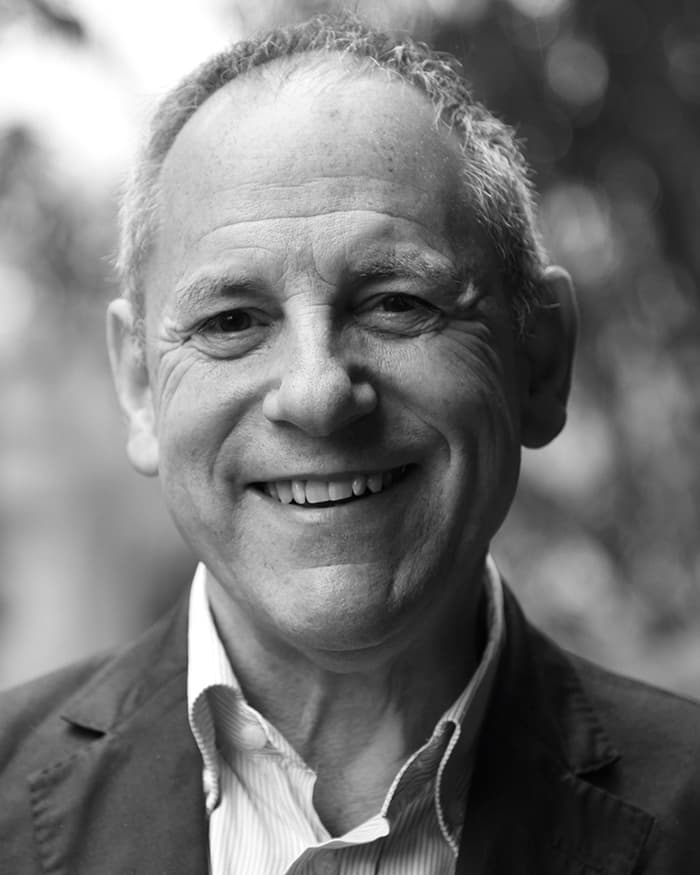
Joseph J. Niemela is a Senior Research Scientist and member of the permanent scientific staff of the Abdus Salam International Centre for Theoretical Physics (ICTP) in Trieste, Italy. He is Head of its Applied Physics group as well as the Office of External Activities (OEA). In addition to coordinating optics research and training activities at ICTP, he is co-Director of the UNESCO Active Learning in Optics and Photonics (ALOP) program and Global Coordinator of the Secretariat for the International Year of Light and Light-based Technologies 2015 (IYL 2015).




