Smart Lighting
lixtec advances smart city lighting with intelligent radar-based controls
Austrian technology company lixtec GmbH is advancing intelligent outdoor lighting with radar-based sensing solutions designed to improve energy efficiency, reduce unnecessary illumination and enable more responsive urban infrastructure. By combining precise traffic detection with intelligent…
Published by LED professional · · Updated
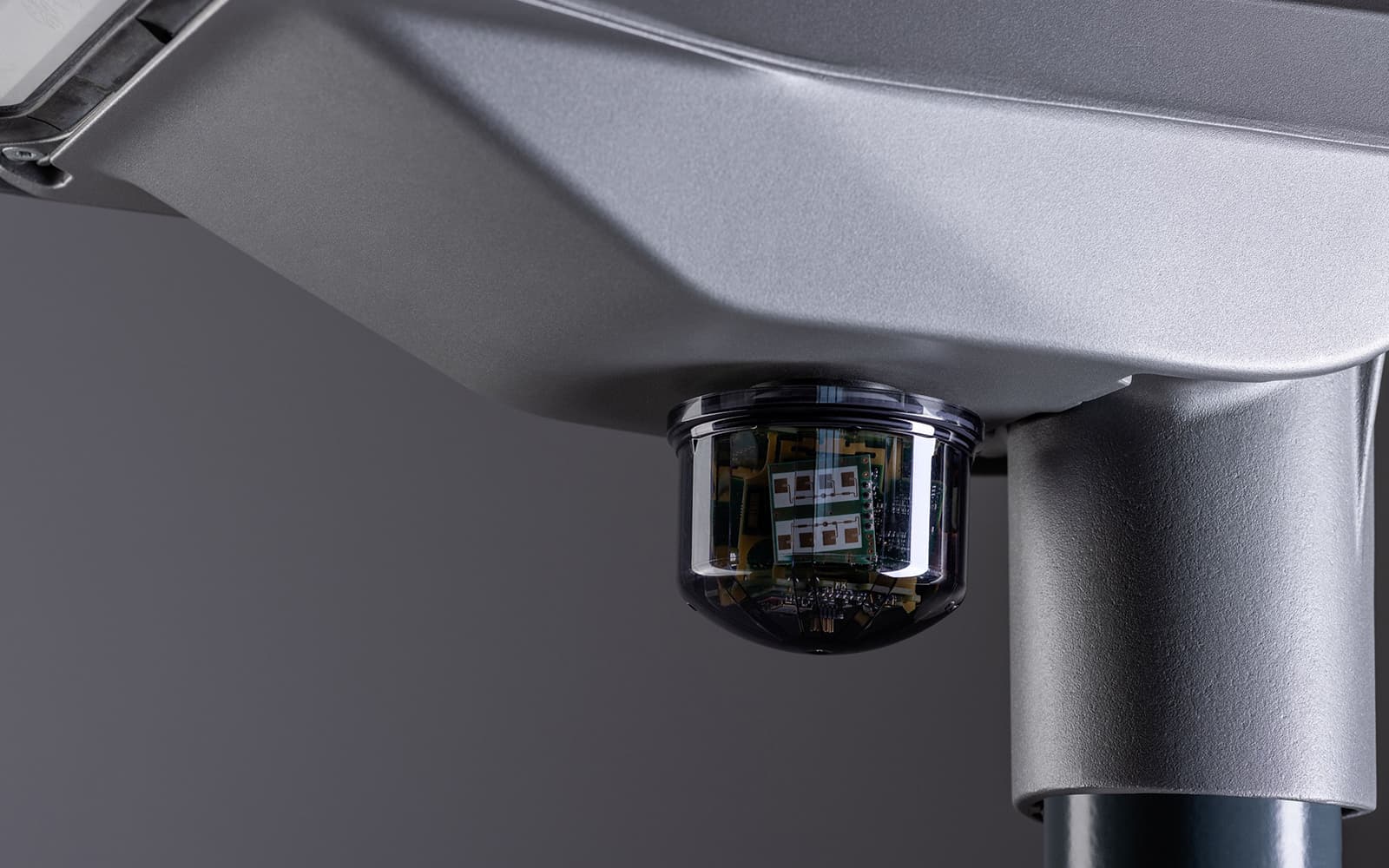
At the core of the company's technology are high-precision radar sensors that continuously monitor traffic activity on roads, pedestrian routes and other public spaces. By detecting the presence and movement of road users, the system enables lighting levels to be adjusted according to actual demand rather than relying on fixed operating schedules.
This approach supports energy-efficient lighting operation while maintaining appropriate illumination when and where it is needed.
Radar-Based Intelligence for Adaptive Lighting
lixtec offers a portfolio of sensor solutions designed to address different requirements in outdoor lighting applications.
lix.one and lix.pure support motion-dependent and/or traffic-volume-based lighting control, depending on the sensor model. By reliably detecting road users, these sensors enable lighting systems to increase or reduce illumination levels dynamically in response to actual activity.
lix.plus, the company's latest innovation scheduled for market introduction in 2026, extends these capabilities beyond conventional lighting control. Using advanced object recognition, the sensor can anonymously classify and count different categories of road users, including trucks, passenger vehicles, two-wheelers and pedestrians.
The resulting real-time traffic data provides a foundation for more precise, volume-based lighting control while also supporting traffic analysis and urban mobility planning.
By combining adaptive illumination with traffic intelligence, lix.plus illustrates how connected lighting infrastructure can contribute to broader Smart City applications.
More Than 15,000 Sensors Deployed Worldwide
According to lixtec, more than 15,000 sensors are currently deployed worldwide, controlling approximately 45,000 luminaires.
Based on the European electricity mix, the company estimates that these installations contribute to annual savings of up to 825 tonnes of CO₂.
These figures demonstrate the potential of demand-based lighting control to reduce electricity consumption and associated emissions across large-scale outdoor lighting networks.
Applications Across Urban and Infrastructure Environments
The technology is designed for a wide range of outdoor applications, including municipal roads, pedestrian and cycle paths, residential neighbourhoods, parks, sports facilities and industrial sites.
Additional applications include transport infrastructure such as railway stations and airports, where lighting requirements can vary considerably depending on traffic activity and operational conditions.
The ability to adjust illumination in response to actual usage makes radar-based control particularly relevant for locations with fluctuating traffic volumes or extended periods of low activity.
Towards Data-Driven Urban Lighting
As cities increasingly integrate sensing, connectivity and intelligent controls into their infrastructure, outdoor lighting is evolving beyond its traditional function of providing illumination.
Radar-based detection and adaptive lighting control can help municipalities optimise energy consumption while generating information relevant to infrastructure management and mobility planning.
With its combination of intelligent sensing, dynamic illumination and anonymised traffic data, lixtec demonstrates how lighting infrastructure can become an active component of the connected city.
The company's approach reflects a broader development in Smart City Lighting: moving from static illumination towards responsive, data-driven systems that balance energy efficiency, operational requirements and the needs of urban environments.