
Testing
Glamox opens new laboratory and research facility in Poland
Glamox has opened a new laboratory and research facility near its Dobczyce manufacturing site in Poland to centralize product testing, research and compliance for building, marine and Ex lighting products.
Published by LED professional ·
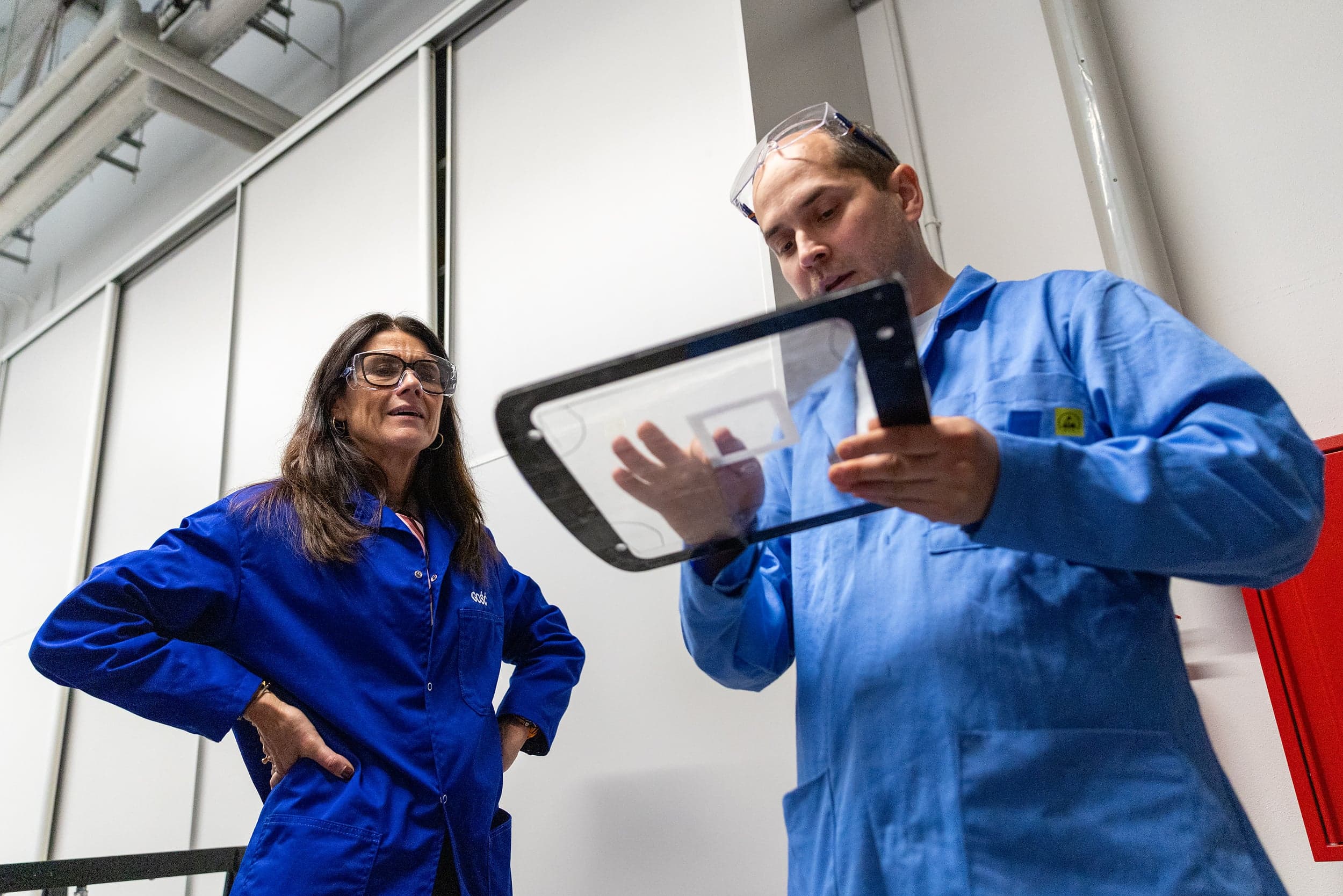
Located near Glamox's existing manufacturing facility in Dobczyce, the new laboratory will improve operational efficiency by enabling engineers and compliance specialists to work more closely with product development teams.
Facility purpose
The laboratory will serve as a central hub for product testing, research, and compliance verification for a broad range of Glamox products.
- professional building lighting solutions
- marine and naval lighting systems
These include professional building lighting solutions, marine and naval lighting systems.
The laboratory will provide a controlled testing environment for a number of Glamox’s most robust products, including luminaires designed for explosive atmospheres (Ex) and marine lighting designed to operate in extreme temperatures and weather conditions.
- luminaires designed for explosive atmospheres (Ex)
- marine lighting designed to operate in extreme temperatures and weather conditions
Company statement
"The investment in our new laboratory facility in Poland reflects Glamox's ongoing commitment to innovation, product quality and design, said Astrid Simonsen Joos, CEO of the Glamox Group. "By combining advanced technology, expanded capacity and closer proximity to our production operations, the new laboratory facility will enable us to further improve our research and development capabilities. Poland is an important strategic location for testing and production of products across our key business divisions, and the new laboratory will enhance our ability to deliver advanced lighting solutions for global markets.”
Testing capabilities
A key feature of the new facility is a state-of-the-art SAC-3 EMC chamber, which enables electromagnetic compatibility (EMC) and radio-related testing required under both the EMC and Radio Equipment Directives (RED).
By bringing these capabilities in-house, Glamox can accelerate product development, improve troubleshooting processes and increase control over final compliance assessments.
The facility operates with CTF Stage 3 (Customer Testing Facility) status, allowing Glamox to conduct testing within the ENEC certification process in cooperation with certification bodies.
In addition to carrying out testing activities, the laboratory coordinates external product certifications and performs internal conformity assessments across the organisation.
The laboratory facility expansion follows the recent opening of Glamox’s new Polish sales office in Kraków earlier this year in May.
These investments will support Glamox’s growth in Poland and enhance the Group’s commitment to research, innovation and product development across the European region.




